How to Make a Type Beat Like Pooh Shiesty x Big Scarr
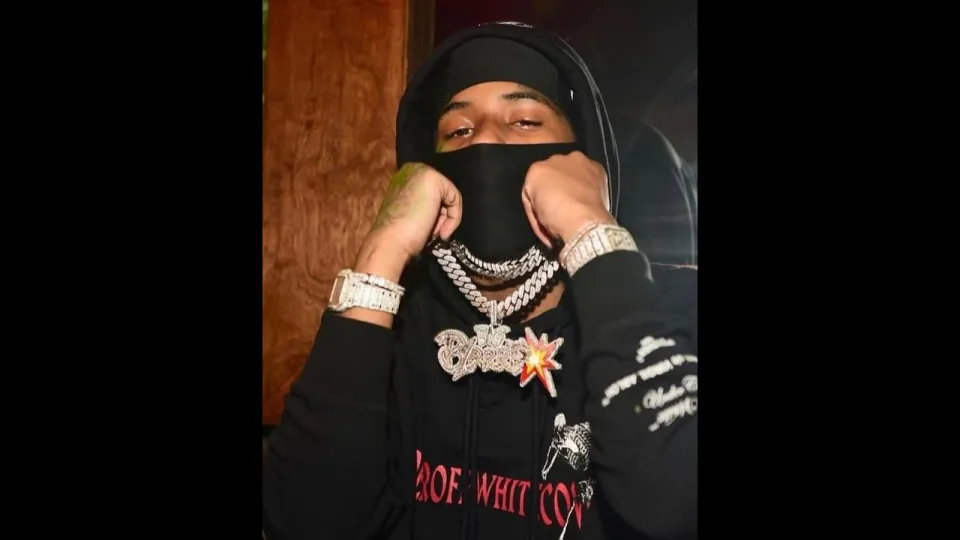
Video: [FREE] Pooh Shiesty x Big Scarr Type Beat - "Real Problems"
Need articles like this for your video? They help promote it on YouTube and Google — order them in the Telegram bot @sat_sit_bot. It writes articles around your video, embeds the video and publishes them on popular niche websites (no ads). Try it free: 50 articles on us.
Key takeaways
- Type beat mimics styles of popular artists like Pooh Shiesty and Big Scarr
- Key signature C# minor and BPM 140 define the track mood and tempo
- Free type beats are often for non-profit use and require crediting
- Leasing is needed for official song releases using the beat
- Trap beats with dark, melodic piano and heavy 808s characterize this style
Creating a type beat like Pooh Shiesty x Big Scarr involves capturing the essence of their signature trap sound with the right key, tempo, and melodic elements. A type beat is an instrumental crafted to emulate the style of specific artists, making it easier for rappers and singers to find beats that fit their flow. For instance, the "Real Problems" type beat is in the key of C# minor with a BPM of 140, which sets a moody yet energetic vibe typical of Memphis trap.
Understanding the Type Beat Concept
A type beat is an instrumental that producers design to sound similar to beats used by well-known artists. This concept helps artists find beats tailored to their style without custom production. Popular type beats include those inspired by Pooh Shiesty, Big Scarr, and Big30, who are known for their gritty lyrics and melodic but hard-hitting trap instrumentals.
These beats usually feature dark piano melodies, heavy 808 basslines, crisp hi-hats, and snappy snares. The beats are often shared freely for non-commercial use, encouraging aspiring rappers to practice and create music, while licenses and leases are sold for official releases.
Key Elements of Pooh Shiesty x Big Scarr Type Beats
To make a beat in this style, focus on the following elements:
- Key and Scale: Use C# minor to evoke a somber, intense mood.
- Tempo: Set BPM around 140 for a fast but controlled trap flow.
- Melody: Incorporate minor-key piano riffs or synth leads that ride the beat with emotional weight.
- Drums: Use punchy 808s, rapid hi-hat rolls, and tight snares.
- Atmosphere: Add subtle dark pads or effects to create a moody trap ambiance.
These components reflect the sound described in the "Real Problems" beat available for free non-profit use with credit to the producer.
How to Use Free Type Beats Legally
Many producers upload free type beats on platforms like YouTube, including the Pooh Shiesty x Big Scarr type beat "Real Problems" by Street Gossip. These beats are free for non-commercial use but require crediting the producer. To officially release a song using these beats, you must purchase a lease or license, which grants legal rights for distribution and monetization.
Steps to use free type beats legally:
- Use the beat for practice, freestyling, or non-commercial projects by crediting the producer.
- Contact the producer or use provided links to buy a lease if you plan to release commercially.
- Follow any additional terms specified by the producer.
This approach supports producers while allowing artists to leverage popular sounds.
Tips to Make Your Pooh Shiesty x Big Scarr Type Beat Stand Out
While mimicking style is key, adding your personal touch is essential:
- Experiment with unique piano or synth melodies within the C# minor scale.
- Layer your 808s creatively with distortion or sliding effects.
- Vary hi-hat patterns and introduce triplets or stutters.
- Incorporate vocal chops or atmospheric samples for depth.
- Use mixing techniques to give the beat a polished, professional sound.
These methods help the beat feel fresh while maintaining the trap vibe associated with Pooh Shiesty and Big Scarr.
Common Questions About Type Beats
Many aspiring artists wonder about the legality, originality, and usage of type beats. For example, some ask if they can release songs made with free beats or how to credit producers properly. Others are curious about the BPM and key choices for specific styles.
Addressing these questions ensures artists respect copyright laws and understand how to best utilize type beats in their music careers.
Useful Links
- Purchase the "Real Problems" beat and get bonuses: https://bsta.rs/iOg61i
- Producer's Instagram for updates and free beats: https://www.instagram.com/prodbabyspace/
Conclusion
Making a type beat like Pooh Shiesty x Big Scarr requires understanding their signature sound—dark, melodic trap beats in C# minor at 140 BPM. Free beats like "Real Problems" allow artists to practice and create with authentic instrumentals, provided they credit the producer or purchase a lease for official releases. Experimenting with melodies, drum patterns, and mixing can give your beat a unique edge while staying true to the style. For those interested in this type beat style, the channel Street Gossip offers valuable resources and quality instrumentals worth exploring. Don't forget to check out the official beat purchase link for full rights and bonuses.
Buy the beat and get exclusive offers
Source: [FREE] Pooh Shiesty x Big Scarr Type Beat - "Real Problems" · Markdown version
Questions & answers
What is a type beat and why is it popular?
A type beat is an instrumental made to emulate the style of a particular artist, helping rappers and singers find beats that fit their flow. It is popular because it allows musicians to access styles of famous artists without custom production.
Can I use free type beats for my official songs?
Free type beats are generally available for non-commercial use and require crediting the producer. To use them for official releases, you must purchase a lease or license from the producer to legally distribute and monetize your song.
What key and BPM are typical for Pooh Shiesty x Big Scarr type beats?
These type beats often use the key of C# minor with a tempo around 140 BPM, creating a moody yet energetic trap atmosphere that suits their style.
How should I credit a producer when using a free type beat?
When using a free type beat, you should mention the producer’s name or channel in your song credits, description, or wherever your music is shared, following the producer’s specific instructions to respect their terms.